CACEE
  • HOME
  • PEOPLE
  • RESEARCH
  • PUBLICATIONS
  • NEWS
  • OPPORTUNITIES
  • HOME
  • PEOPLE
  • RESEARCH
  • PUBLICATIONS
  • NEWS
  • OPPORTUNITIES
Search

Lab News

Publications
Conferences/Workshops
Grants/Awards
Outreach

  2025


12-15

Picture
  • Dr. Shuang Zhang delivered an invited talk at the 2025 American Geophysical Union (AGU) Conference, titled "Tracking Carbon Cycling Dynamics in River Networks Following Terrestrial Enhanced Weathering".
  • Graduate student Shihan Li chaired a session at the 2025 AGU Conference, titled "Bridging Scales to Advance Ocean-Based Carbon Dioxide Removal".
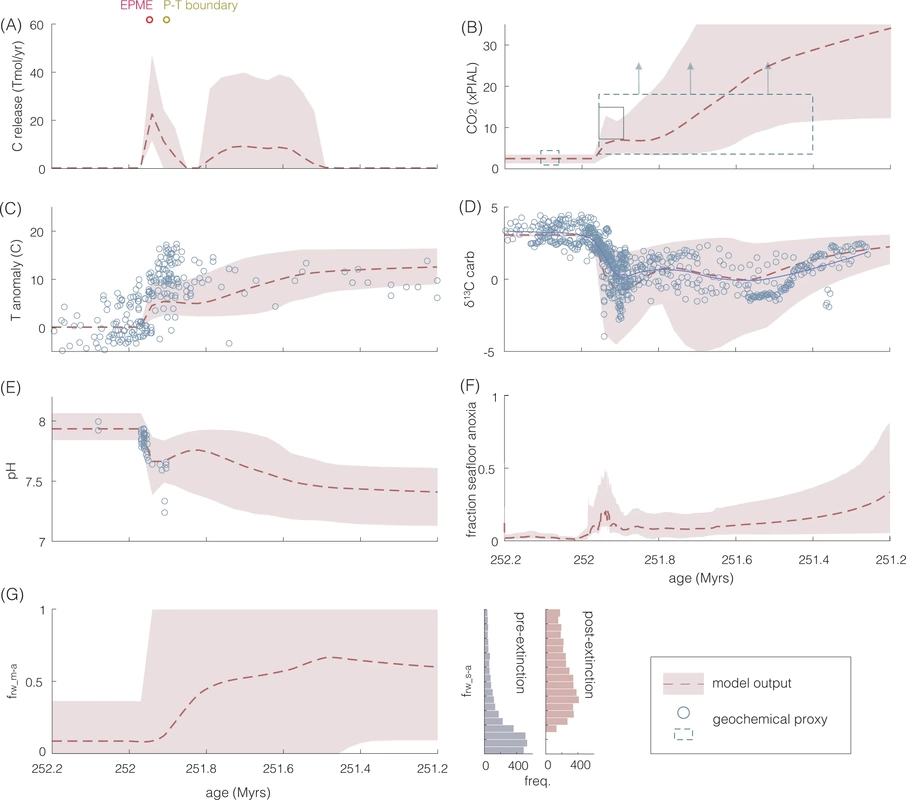
  • Graduate student Shihan Li delivered a poster presentation at the 2025 AGU Conference, titled "Decoupling of Ocean Acidification and Carbonate Saturation State during geological Hyperthermal Events".
  • Graduate student Xiying Sun delivered an oral presentation at the 2025 AGU Conference, titled "Mapping Rock Weathering Fluxes Across the Contiguous United States".
  • Graduate student Yating Li delivered a poster presentation at the 2025 AGU Conference, titled "Incorporating Stream Metabolism into Carbon Assessment of Enhanced Weathering".

11-18

Picture
  • Graduate student Xiying Sun is awarded a Graduate Student Research and Presentation Travel Award funded by The Graduate and Professional School ($1,000), as well as a Doctoral Student Research, Travel, and Professional Development Award funded by The College of Art & Science ($1,000).
  • Graduate student Yating Li is awarded a Graduate Student Research and Presentation Travel Award funded by The Graduate and Professional School ($1,000).

11-06

Picture
​Dr. Shuang Zhang contributes to a new paper in Science that provides the first CONUS-wide estimates of river metabolism using a machine-learning model. The study finds that U.S. rivers have an annual GPP of about 10.1 Tg-C yr⁻¹ and ER of 18.7 Tg-C yr⁻¹, and western rivers contribute more than 71% of the nation’s metabolism-driven CO₂ uptake, reflecting strong autotrophic and heterotrophic extremes in arid landscapes. Drought and flow variation strongly modulate carbon uptake and release, and feature-importance analyses highlight canopy cover, discharge, watershed area, land cover, and temperature as key controls. The work reveals that river autotrophy is far more widespread, especially in western landscapes, than previously recognized. 
Maavara, T., Yuan, Z., Johnson, A. M., Zhang, S., Aho, K. S., Brinkerhoff, C. B., Logozzo, L. A., & Raymond, P. River metabolism in the contiguous United States: A West of extremes. 
https://doi.org/10.1126/science.adu9843

10-24

Picture
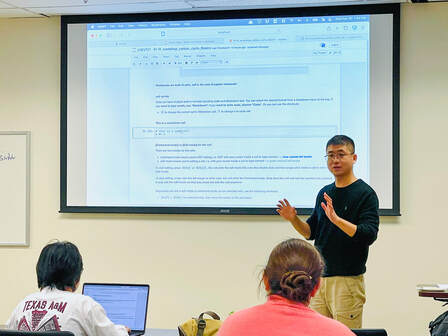
Graduate student Shihan Li, Xiying Sun and  Yating Li hosted a workshop titled “Data Science Meets Geoscience: a case study in rock weathering and Riverine Carbon Fluxes”. The event was supported by the Texas A&M Institute of Data Science (TAMIDS) Student Ambassador Program, aiming to enhance data science literacy across disciplines at Texas A&M and beyond.  More info can be found here.

07-14

Picture
​Dr. Shuang Zhang contributes to a new paper in Journal of Atmospheric and Oceanic Technology. This study develops a deep learning–based pipeline to accurately measure active whitecap fractions, overcoming the subjectivity of traditional image-based methods. A new horizon detection algorithm and a U-Net model enable reliable identification of active whitecaps, even under sun glint conditions. Applied to 48 hours of Gulf of Mexico video data, the results reveal greater variability with wind speed than previously reported. Random forest analysis shows that sea surface temperature, swell, and wave age also strongly influence active whitecap formation, with further ANOVA results indicating a positive correlation between sea surface temperature and active whitecap fraction. Yang, X., Potter, H., Zhang, S., Lyu, M. Remote Measurement of Active Whitecaps Using Deep Learning. Journal of Atmospheric and Oceanic Technology. https://doi.org/10.1175/JTECH-D-24-0057.1

07-11

Picture
Graduate student Yating Li participated in the Community Earth System Model (CESM) Tutorial in Boulder, Colorado from July 7–11. The CESM Tutorial, hosted annually by the NSF National Center for Atmospheric Research, covered CESM fundamentals, model configuration, and data analysis, with financial support available to attendees. For more information, visit here.

06-23

Picture
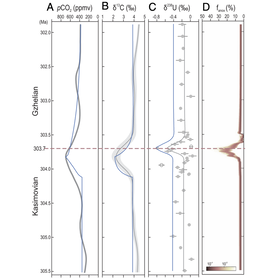
​Shihan Li and Dr. Shuang Zhang contributes to a new paper in Proceedings of the National Academy of Sciences (PNAS). This study reconstructs marine redox evolution during the Late Paleozoic Ice Age (310–290 Ma), a time of peak atmospheric O2 and relatively low CO2. Using high-resolution uranium and carbon isotope records from South China, combined with biogeochemical modeling, the authors document repeated CO2-driven episodes of marine anoxia at the 10⁵-year scale. Results suggest that even under oxygen-rich conditions, moderate seafloor anoxia (4–12%) could develop, potentially disrupting marine biodiversity. The work highlights that widespread anoxia can arise under CO2 levels similar to present-day or near-future projections. Chen, J., Li, S., Zhang, S., Isson, T., Dahl, T. W., Planavsky, N. J., et al. (2025). Repeated occurrences of marine anoxia under high atmospheric O2 and icehouse conditions. Proceedings of the National Academy of Sciences, 122(26), e2420505122. https://doi.org/10.1073/pnas.2420505122

06-18

Picture
​Dr. Shuang Zhang contributes to a new paper in Environmental Research Letters.  This study uses a reaction-transport model to assess carbon dioxide removal (CDR) through Enhanced Weathering (EW) in U.S. agricultural soils. Results show that lag times between alkalinity addition and CDR can span years to decades, shaped by soil cation exchange capacity, pH targets, and infiltration rates. Management changes can shorten lags but may reduce total CDR and affect nutrient use and nitrous oxide emissions. The work highlights a critical disconnect between EW deployment and climate-relevant CDR, with implications for monitoring and verification. Kanzaki, Y., Planavsky, N. J., Zhang, S., Jordan, J., Suhrhoff, T. J., & Reinhard, C. T. (2025). Soil cation storage is a key control on the carbon removal dynamics of enhanced weathering. Environmental Research Letters, 20(7), 074055. https://doi.org/10.1088/1748-9326/ade0d5

06-06

Picture
  • Dr. Shuang Zhang and PhD graduate student Shihan Li participated in the 2025 Ocean Carbon and Biogeochemistry (OCB) Summer Workshop (June 2–6).
  • Dr. Zhang delivered an invited talk titled “Inorganic carbon transport through river networks following enhanced weathering”.
  • Shihan Li delivered a lightning talk titled “Quantifying the Impact of Uncertainty in Marine Carbon Cycle Feedbacks on the Efficiency of Ocean Alkalinity Enhancement for Carbon Dioxide Removal”.

05-30

Picture
​Graduate student Shihan Li receives the Texas A&M Institute of Data Science (TAMIDS) Data Science Student Ambassador Scholarship ($2,000). As part of the 2025–2026 Domain Data Science Track Cohort, he will continue his role as a Data Science Student Ambassador, actively promoting data science literacy in the geosciences. He will dedicate two hours per week (via Zoom or in person) to support students in the Department of Oceanography with their data science-related questions.

05-30

Picture
​​Graduate student Shihan Li is awarded the 2025–2026 Future Faculty Fellowship. He is one of five recipients across Texas A&M University. This fellowship is awarded to Ph.D. students pursuing academic careers, recognizing scholarly excellence, leadership potential, and a strong commitment to faculty development.

​

05-16

Picture
Graduate student Yating Li participated in the Scientific Machine Learning (SciML) Summer School at Texas A&M University from May 12–16. The SciML Summer School, hosted by the TAMU Institute of Data Science, introduced core concepts of Physics-Informed Neural Networks (PINNs) and their applications through lectures and hands-on sessions. For more information, visit here.

05-09

Picture
Dr. Shuang Zhang was invited to deliver a talk at the 2025 Yale Center for Natural Carbon Capture Spring Symposium in May, titled “An AI-Integrated Dynamic River Network for Monitoring Downstream Carbon Flux from Enhanced Weathering.” He also participated as a panelist in the “AI Applications for MRV” session, sharing his perspectives on the challenges of measurement/monitoring, reporting, and verification (MRV) for enhanced weathering.

04-03

Picture

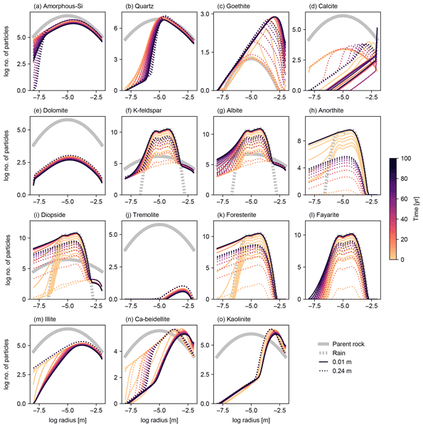
Dr. Shuang Zhang contributes to a new paper in Frontiers in Climate. This study highlights how aquatic photosynthesis alters the fate of carbon and alkalinity produced by Enhanced Rock Weathering (ERW), potentially reducing its carbon sequestration efficiency. Using stream-order data and biogeochemical modeling, the paper show that 1–30% of ERW-derived DIC can be taken up by aquatic vegetation, depending on river characteristics and biological pathways. These processes, intensified by ERW-induced water chemistry changes, complicate assumptions in current carbon crediting. Neumann, R. B., Kukla, T., Zhang, S., & Butman, D. E. (2025). Front. Clim., 7:1582786. https://doi.org/10.3389/fclim.2025.1582786

03-29

Picture
Dr. Shuang Zhang was invited to deliver a talk at the ASLO 2025 Aquatic Sciences Meeting, titled “Carbon loss from rivers following terrestrial enhanced rock weathering.” This invited presentation is part of the Author Spotlight session: Recent High-Impact Publications from ASLO Journals. For more information, please visit here.

03-28

Picture
Graduate student Shihan Li and Xiying Sun hosted a workshop titled “Data Science Meets Geoscience: a case study in rock weathering calculations”. The event was supported by the Texas A&M Institute of Data Science (TAMIDS) Student Ambassador Program, aiming to enhance data science literacy across disciplines at Texas A&M and beyond.  More info can be found here.

03-18

Picture
Graduate student Xiying Sun gave a talk at Syracuse University as part of the GEO-AI Lecture Series, presenting her research on “Geochemical Fingerprinting of Rock Weathering: A Data SciencePerspective.” In her talk, she discussed the role of rock weathering in Earth’s carbon cycle and the use of inverse modeling techniques to quantify weathering fluxes.

03-05

Picture
  • Dr. Shuang Zhang received the College of Arts & Sciences Environment and Sustainability Initiative (ESI) Enhancement Grant ($5,000).
​
  • Graduate student Shihan Li received the College of Arts & Sciences Environment and Sustainability Initiative (ESI) Graduate Fellow Grant ($2,500).

02-26

Picture

​​
Graduate student Xiying Sun received an Outstanding Student Presentation Award (OSPA) in the Hydrology Section at the 2024 AGU Fall Meeting.

02-05

Picture
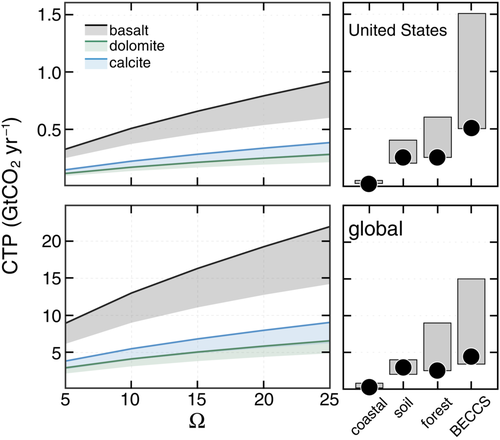
Dr. Shuang Zhang contributes to a new paper in Nature. This study highlights the potential of Enhanced Weathering (EW) on U.S. agricultural lands to sequester 0.16–0.30 GtCO2 annually by 2050, with further increases by 2070. The detailed carbon cycle analysis emphasizes the intergenerational benefits of EW, temporary air quality improvements, and declining CDR costs to $100–150 per ton CO2 by mid-century, positioning EW as a viable support for achieving net-zero emissions. Beerling, D. J., Kantzas, E. P., Lomas, M. R., Taylor, L. L., Zhang, S., Kanzaki, Y., et al. (2025). Transforming US agriculture for carbon removal with enhanced weathering. Nature, 1–10. https://doi.org/10.1038/s41586-024-08429-2

02-01

Picture
Picture
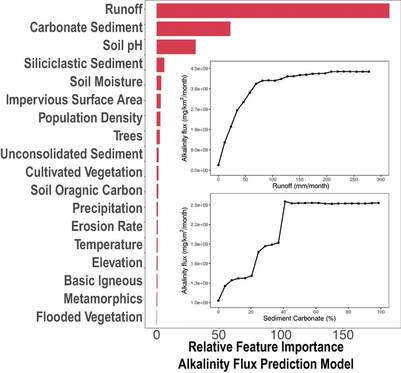
Dr. Shuang Zhang contributes to a new paper in Applied Geochemistry. This study uses random forest models to predict future salinity (sodium) and alkalinity fluxes in 226 U.S. rivers under varying population densities and climate scenarios from 2040 to 2100. The findings highlight regional differences in sodium flux changes and the complex effects of temperature and precipitation on alkalinity flux, emphasizing the need for adaptive river management strategies. E, B., Zhang, S., Carter, E., Meem, T. J., & Wen, T. (2025). Predicting salinity and alkalinity fluxes of U.S. freshwater in a changing climate: Integrating anthropogenic and natural influences using data-driven models. Applied Geochemistry, 180, 106285. https://doi.org/10.1016/j.apgeochem.2025.106285

01-14

Picture
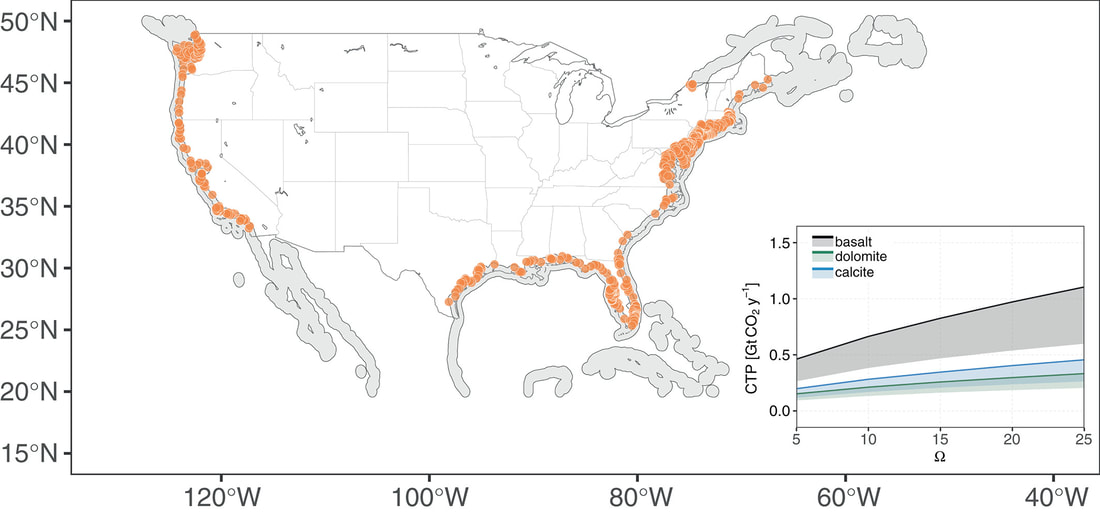
Dr. Shuang Zhang publishes a new paper in Environmental Research Letters. This study introduces a dynamic river network (DRN) model to assess how Enhanced Weathering (EW) impacts river carbonate chemistry in North American watersheds. The model reveals that while carbon loss during river transport is generally low (<5%), certain river pathways show significantly higher degassing (>15%), highlighting the need for regional evaluations of EW’s effectiveness as a carbon mitigation strategy. Zhang, S., Reinhard, C. T., Liu, S., Kanzaki, Y., & Planavsky, N. J. (2025). A framework for modeling carbon loss from rivers following terrestrial enhanced weathering. Environmental Research Letters, 20(2), 024014. https://doi.org/10.1088/1748-9326/ada398

  2024


12-30

Picture
Previous student Bailey Armos publishes a new paper in Scientific data. This study introduces the ROcD-nGoM, a database that harmonizes chemical solute data from 54 rivers, including the Mississippi, with ocean data in the northern Gulf of Mexico. The database aims to support research on the dynamic river-ocean system and promote FAIR data practices. Armos, B., Zhang, S., Wen, T., Walker, E., & Daripa, P. (2024). A harmonized river-ocean coupled database for the northern Gulf of Mexico. Scientific Data, 11(1), 1449. https://doi.org/10.1038/s41597-024-04338-1

12-13

Picture
  • Dr. Shuang Zhang, alongside Tim Jesper Suhrhoff, Maya Almaraz, and Peter Raymond, chaired the session “GC11E: Terrestrial Enhanced Rock Weathering and Downstream Processes in Soils, Rivers, and Oceans” at the 2024 American Geophysical Union (AGU) Conference.
  • Dr. Shuang Zhang delivered a poster presentation at the 2024 AGU Conference, titled “Long-term carbon storage capacity and ocean co-benefits of carbon dioxide removal methods”.
  • Graduate student Shihan Li delivered an oral presentation at the 2024 AGU Conference, titled “Data-driven solution of the carbon emission conundrum over the Paleocene-Eocene Thermal Maximum (PETM) event”.
  • Graduate student Xiying Sun delivered a poster presentation at the 2024 AGU Conference, titled “Evaluating Inverse Modeling Approaches for Rock Weathering Analysis”.

12-10

Picture
Dr. Shuang Zhang participated in the Workshop on Jurisdiction-Level Monitoring of Enhanced Weathering (EW) on December 10, 2024 at OpenGovHub in Washington, DC. The workshop focused on developing a technical and policy framework for monitoring ERW at jurisdictional scales, aiming to address key challenges in quantifying carbon removal and its broader climate impacts. Dr. Zhang contributed to discussions on the scientific foundations and uncertainties of EW monitoring, particularly focusing on the need for fit-for-purpose MRV (Measurement, Reporting, and Verification) systems. This effort supports the advancement of durable CDR pathways beyond voluntary carbon markets, with potential integration into national and international climate policies.

11-15

Picture
  • Graduate student Shihan Li is awarded a Graduate Student Research and Presentation Travel Award funded by The Graduate and Professional School in the amount of $1,000.
  • Graduate student Xiying Sun is awarded a Graduate Student Research and Presentation Travel Award funded by The Graduate and Professional School in the amount of $1,000.

11-15

Picture
​Dr. Shuang Zhang participated in the Enhanced Rock Weathering (ERW) Expert Elicitation Workshop hosted by the Environmental Defense Fund (EDF) on November 14–15, 2024, at the EDF Office in New York. This workshop brought together leading experts to evaluate the scientific foundations, scalability, and uncertainties of ERW as a carbon dioxide removal (CDR) strategy. The event underscored the urgency of addressing uncertainties and advancing research prioritization to guide significant decisions being made on ERW implementation and its climate impact.

11-05

Picture
Picture
Dr. Shuang Zhang, as chair of the science working group on carbon leakage in downstream rivers and the ocean, contributed to developing a community quantification standard for Enhanced Rock Weathering (ERW) under Cascade Climate, a philanthropically-backed nonprofit. This work led to the release of “Foundations for Carbon Dioxide Removal Quantification in Enhanced Rock Weathering Deployments,” a critical document that establishes rigorous, standardized quantification for advancing ERW research and deployment. Conducted from October 2023 to August 2024, this effort involved over 50 academic scientists worldwide, 20+ ERW project developers, and various civil society organizations. More information about this “Foundations” can be found here. 

10-29

Picture
Dr. Shuang Zhang, Yating Li, and Xiying Sun (from right to left) participated in the 2024 Undergraduate Research (UGR) Expo, which drew nearly 400 students. The purpose of the UGR Expo is to guide students through the topics they need to consider before getting started in research, such as defining their passion, understanding the research process, exploring potential careers in research, and establishing mentoring relationships. Dr. Zhang’s team presented on the theme of Carbon Dioxide Removal.​

09-01

Picture
​Dr. Shuang Zhang has a new NSF grant (subaward): MCA: Incorporating Stream Biogeochemistry into Carbon Assessment of Enhanced Rock Weathering: A Machine Learning and Dynamic River Network Modelling Approach. 09/01/2024 - 08/31/2027. Dr. Rebecca Neumann (University of Washington) is the PI, with Dr. Zhang as the Co-PI.​

08-09

Picture
​⁠Graduate student Shihan Li participated in the Community Earth System Model (CESM) tutorial from August 5-9 in Boulder, Colorado. This tutorial included lectures on the basics of CESM, running the model, modifying its components, and analyzing data. The tutorial is annually hosted by NSF National Center for Atmospheric Research and attendees from TAMU (a Hispanic Serving Institution) can apply for full financial support. For more information, visit here.

08-01

Picture
Dr. Shuang Zhang contributes to a new publication in Nature Water. The study provides a comprehensive assessment of greenhouse gas (GHG) emissions associated with irrigation across the United States, offering valuable insights for targeted GHG mitigation strategies in agriculture. Driscoll, A.W., Marston, L.T., Ogle, S.M., Planavsky, N.J., Siddik, M.A.B., Spencer, S., Zhang, S., Mueller, N.D., 2024. Hotspots of irrigation-related US greenhouse gas emissions from multiple sources. Nat Water 1–11. https://doi.org/10.1038/s44221-024-00283-w

07-30

Picture
Graduate student Xiying Sun participated in the Critical Zone (CZ) Data-Model Integration Workshop at the Colorado School of Mines (Golden, Colorado) from July 28 to 30, 2024. This workshop included an introduction to modeling in the CZ, breakout sessions on specific projects, and practical model setup instructions. The workshop is annually hosted as part of the NSF-funded Research Coordination Network (RCN). For more information, visit here.

05-22
Picture
Dr. Shuang Zhang publishes a new paper in Current Biology. This paper uses machine learning to map a global picture of burrowing animals' activities and the environmental conditions that drive their unsung yet critical efforts to shape nutrient cycling and ecosystem health in our oceans, along with maritime economies and food security. Zhang, S., Solan, M., & Tarhan, L. (2024). Global distribution and environmental correlates of marine bioturbation. Current Biology.
https://doi.org/10.1016/j.cub.2024.04.065
This research was featured on the ArtSci website as well as Texas A&M Today, titled "Texas A&M-Led Team Creates First Global Map of Seafloor Biodiversity Activity".
today.tamu.edu/2024/05/28/texas-am-led-team-creates-first-global-map-of-seafloor-biodiversity-activity/

03-11

Picture
Graduate student Shihan Li publishes a new paper in Global and Planetary Change. This paper presents the details of iLOSCAR, an interactive carbon cycle model with two options (a forward model and an inverse model).  Model's performance is validated through an identical twin test and model intercomparison,  and it is applied to climate perturbation event to diagnose features of the emission pattern. Li, S., Zeebe, R. E., & Zhang, S. (2024). iLOSCAR: interactive Long-term Ocean-atmosphere-Sediment CArbon cycle Reservoir model v1.0. Global and Planetary Change, 236, 104413.
https://doi.org/10.1016/j.gloplacha.2024.104413

  2023


12-11

Picture
  • Dr. Shuang Zhang delivered a poster presentation at the 2023 American Geophysical Union (AGU) Conference, titled "A Dynamic River Network for Tracking Multi-Scale Responses to Enhanced Rock Weathering."
  • Graduate Student Shihan Li , delivered a poster presentation at the 2023 AGU Conference, titled "iLOSCAR: interactive Long-term Ocean-atmosphere-Sediment Carbon cycle Reservoir Model with double-inversion algorithm."
  • Dr. Shuang Zhang chaired a session at the 2023 AGU Conference, titled "GC51K: Enhanced Rock Weathering for Carbon Dioxide Removal: From Soils to the Ocean".​
  • Dr. Shuang Zhang, along with Dr. Tao Wen from Syracuse University, Dr. Preston Kemeny from the University of Chicago, and Dr. Anthony Castronova from CUAHSI, co-hosted a workshop at the 2023 AGU Conference, titled "SCIWS19: End Member Mixing Analysis in Hydrogeochemistry with Case Studies".

11-04

Picture
​Dr. Shuang Zhang was invited to deliver a talk at the SIAM Texas-Louisiana Sectional Conference on Nov 04. The title of his talk is “Tracking multi-scale river responses to enhanced rock weathering.”

10-18

Picture
Dr. Shuang Zhang has a new grant funded by DOE: Carbon dioxide removal and high‐performance computing: Planetary Boundaries of Earth Shots. This collaborative endeavor, funded by the DOE’s Earth Shot initiative, unites 11 scientists from Yale (Lead PI: Peter Raymond), Georgia Tech, Princeton, and Texas A&M. Total award is $5M. ​
​​https://environment.yale.edu/news/article/yale-awarded-energy-earthshot-study-natural-carbon-capture

07-12

Picture
Dr. Shuang Zhang was invited to deliver a talk at the headquarters of 3M company in Minneapolis. The title of his talk is “River constraints on the carbon capture potential of enhanced rock weathering.”
06-30
Picture
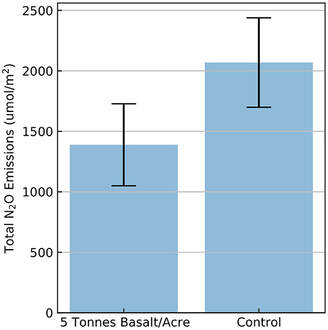
Dr. Shuang Zhang contributes to a new publication in Frontiers in Climate. The study finds that adding fine-grained basalt to agricultural soils can significantly reduce nitrous oxide emissions, offering a dual environmental benefit with carbon dioxide removal.  Chiaravalloti, I., Theunissen, N., Zhang, S., Wang, J., Sun, F., Ahmed, A. A., et al. (2023). Mitigation of soil nitrous oxide emissions during maize production with basalt amendments. Frontiers in Climate, 5. https://doi.org/10.3389/fclim.2023.1203043
06-15
Picture
Dr. Shuang Zhang contributes to a new publication in Science of The Total Environment. Using machine-learning models, the study evaluates the influences of human activities and natural factors on U.S. river salinization and alkalinization. E, B., Zhang, S., Driscoll, C. T., & Wen, T. (2023). Human and natural impacts on the U.S. freshwater salinization and alkalinization: A machine learning approach. Science of The Total Environment, 889, 164138. https://doi.org/10.1016/j.scitotenv.2023.164138

05-27

Picture
Graduate student Shihan Li was awarded the Graduate Student Research Grant from the Geological Society of America (GSA) for 2023-2024. Total award is $1,300. His research topic is “Ground-truthing the sensitivity of model-derived carbon emission trajectory to the initial model setting”.

04-12

Picture


​Dr. Shuang Zhang delivered a talk titled "The Role of Rivers in Regulating the Carbon Capture Potential of Enhanced Rock Weathering" at the "Mathematics in Geosciences" seminar in Texas A&M University.

03-24

Picture
Graduate student Shihan Li is awarded the Schlanger Ocean Drilling Fellowship from the International Ocean Discovery Program (IODP) for 2023-2024. Schlanger fellows are selected by the U.S. Science Support Program (USSSP) of the IODP based on one-year research proposals submitted by applicants (only 4-6 students selected each year from across the whole U.S.). Total award is $30,000 for one year. His research topic is “Data-driven solution of the carbon emission conundrum over the Paleocene-Eocene Thermal Maximum (PETM) event”. Congratulations!

03-24

Picture

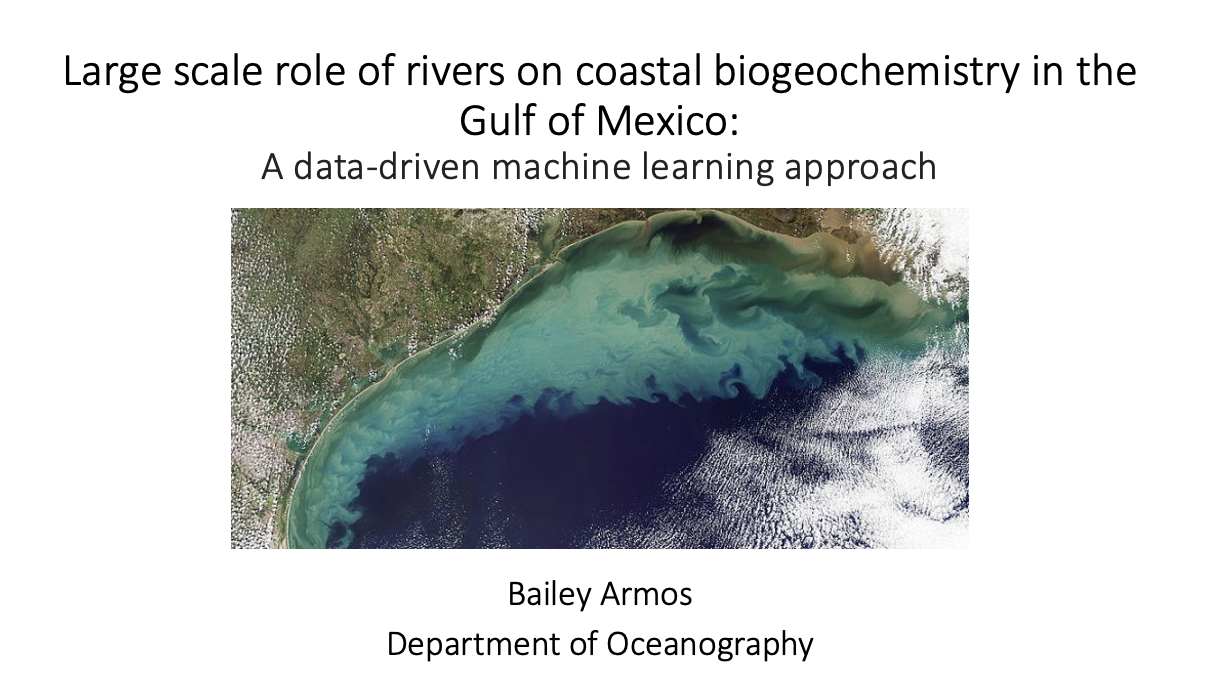
​Graduate student Bailey Armos won first place for Graduate Oral presentation for Earth sciences at the Student Research Week held at Texas A&M University. The topic of her presentation is “Large scale role of rivers on coastal biogeochemistry in the Gulf of Mexico: A data-driven machine learning approach”. Congratulations! More info can be found here: https://srw.tamu.edu/.

01-31

Picture
​Dr. Shuang Zhang has a new NSF grant entitled: Into the icehouse: Dramatic changes at the Devonian-Mississippian Climate Transition (DMCT). Dr. Ethan Grossman (Geology and Geophysics) is the lead-PI, with Dr. Shuang Zhang (Oceanography) and Dr. Lucien Nana Yobo (Geology and Geophysics) as co-PIs.   https://www.nsf.gov/awardsearch/showAward?AWD_ID=2241039&HistoricalAwards=false
01-07
Picture
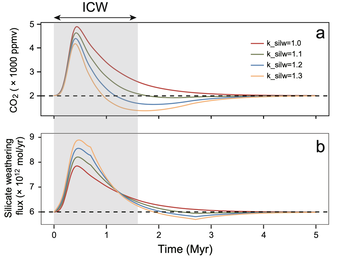
Dr. Zhang contributes to a new publication in EPSL as one of the corresponding authors. They focused on two Permian biocrises and combined the U-isotope records with LOSCAR model. Their results indicated that the response of ecosystem during the carbon cycle perturbation is sensitive to the carbon emission rates. Wang, W., Zhang, F., Zhang, S., Cui, Y., Zheng, Q., Zhang, Y., et al. (2023). Ecosystem responses of two Permian biocrises modulated by CO2 emission rates. Earth and Planetary Science Letters, 602, 117940. https://doi.org/10.1016/j.epsl.2022.117940

   2022


11-30
Picture
​​​Dr. Zhang hosts a workshop titled “Data Science Meets Carbon Cycle: Modeling rock weathering fluxes in the Gulf of Mexico region using machine learning”. This workshop was part of the Texas A&M Institute of Data Science Career Initiation Fellow Program to broaden knowledge of Data Science within Texas A&M and beyond The topics covered by the workshop include the R basics, data manipulation, data visualization, and machine learning in carbon cycle. More info can be found here: https://www.linkedin.com/feed/update/urn:li:activity:7004120752673157121/
10-11
Picture

​Dr. Zhang publishes a new paper in Limnology and Oceanography. This paper explores the capacity of rivers to carry dissolved products derived from enhanced rock weathering (ERW) without CO2 re-release , rendering a full understanding of the life cycle of ERW and its associated maximum carbon dioxide revoval potential. Zhang, S., Planavsky, N. J., Katchinoff, J., Raymond, P. A., Kanzaki, Y., Reershemius, T., & Reinhard, C. T. (2022). River chemistry constraints on the carbon capture potential of surficial enhanced rock weathering. Limnology and Oceanography.  
https://doi.org/10.1002/lno.12244

10-01

Picture
Dr. Zhang participates in the NSF-funded DeCODER project. This $3.2 million project aims to standardize how scientific data is described, allowing for search engines for scientific data that not only support discoverability but also facilitate the usage of the data. For more information: https://artsci.tamu.edu/news/2022/10/decoding-earth-science-tamu-oceanography-scientist-joins-nsf-funded-data-project.html
07-29
Picture
Dr. Zhang contributes to a new publication in PNAS. Rattanasriampaipong, R., Zhang, Y. G., Pearson, A., Hedlund, B. P., & Zhang, S. (2022). Archaeal lipids trace ecology and evolution of marine ammonia-oxidizing archaea. Proceedings of the National Academy of Sciences, 119(31), e2123193119. https://doi.org/10.1073/pnas.2123193119
07-18
Picture
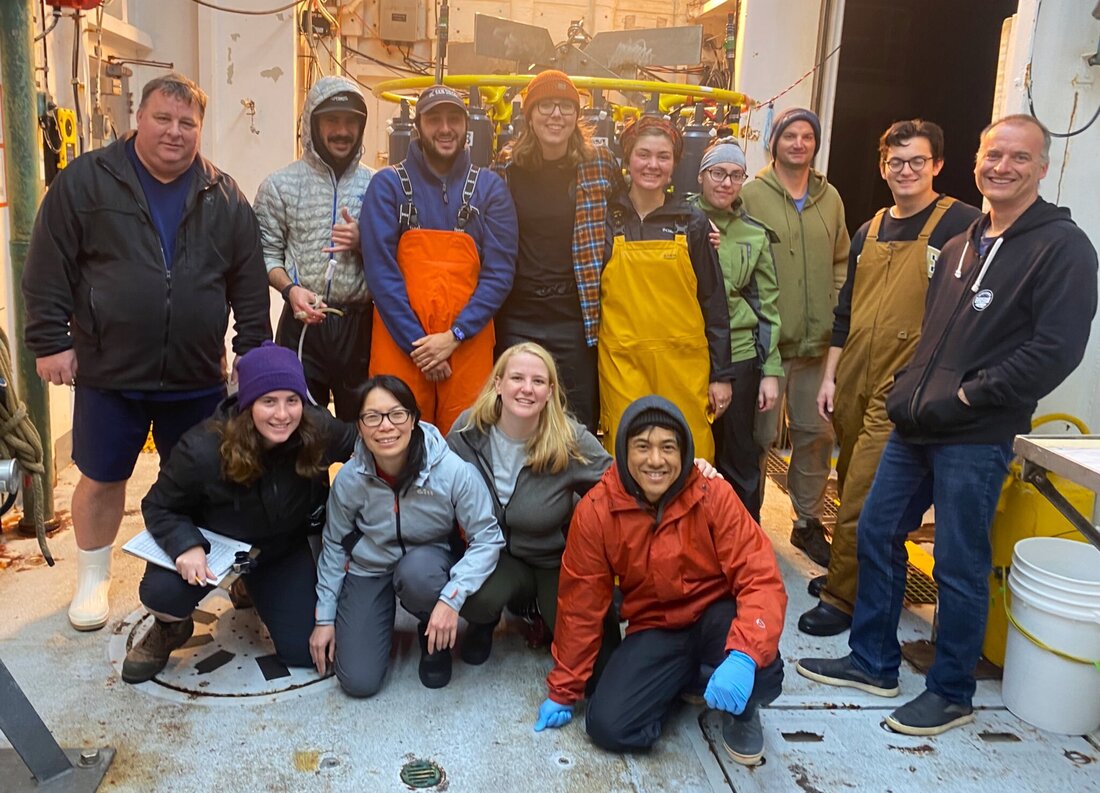
Graduate student Bailey Armos participated in the GO-SHIP cruise from June 6, 2022 to July 18, 2022. Congratulations to her!
06-29
Picture
Dr. Zhang contributes to a new publication in Geoscientific Model Development. Kanzaki, Y., Zhang, S., Planavsky, N. J., & Reinhard, C. T. (2022). Soil Cycles of Elements simulator for Predicting TERrestrial regulation of greenhouse gases: SCEPTER v0.9. Geoscientific Model Development, 15(12), 4959–4990. https://doi.org/10.5194/gmd-15-4959-2022
​06-18​
Picture
Dr. Zhang contributes to a new publication in Nature Communications. Isson, T. T., Zhang, S., Lau, K. V., Rauzi, S., Tosca, N. J., Penman, D. E., & Planavsky, N. J. (2022). Marine siliceous ecosystem decline led to sustained anomalous Early Triassic warmth. Nature Communications, 13(1), 3509. https://doi.org/10.1038/s41467-022-31128-3
05-02
Picture
​Dr. Zhang contributes to a new publication in PNAS. Chen, J., Montañez, I. P., Zhang, S., Isson, T. T., Macarewich, S. I., Planavsky, N. J., et al. (2022). Marine anoxia linked to abrupt global warming during Earth’s penultimate icehouse. Proceedings of the National Academy of Sciences, 119(19), e2115231119. https://doi.org/10.1073/pnas.2115231119
04-08
Picture
Dr. Shuang Zhang was named a 2022 Texas A&M Institute of Data Science Career Initiation Fellow. See the announcement here!
03-23
Picture
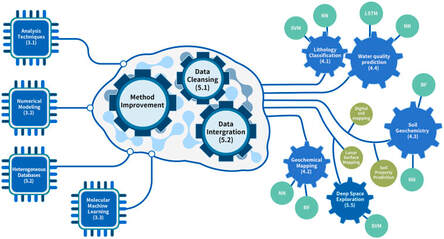
Dr. Zhang contributes to a new publication in Applied Geochemistry. He, Y., Zhou, Y., Wen, T., Zhang, S., Huang, F., Zou, X., et al. (2022). A review of machine learning in geochemistry and cosmochemistry: Method improvements and applications. Applied Geochemistry, 140, 105273. https://doi.org/10.1016/j.apgeochem.2022.105273
01-13​
Picture
Dr. Zhang contributes to a new publication in Nature CommunicationS. Shen, J., Yin, R., Zhang, S., Algeo, T. J., Bottjer, D. J., Yu, J., et al. (2022). Intensified continental chemical weathering and carbon-cycle perturbations linked to volcanism during the Triassic–Jurassic transition. Nature Communications, 13(1), 299. https://doi.org/10.1038/s41467-022-27965-x

GO BACK TO THE TOP

Copyright ©2025 by CACEE Lab

  • HOME
  • PEOPLE
  • RESEARCH
  • PUBLICATIONS
  • NEWS
  • OPPORTUNITIES